Find Parts That Fit Your Vehicle
Select Tube Length
41
1
1
1
Category
Safety Equipment
Subcategory
Fresh Air and Cooling Systems
Products

Related Articles





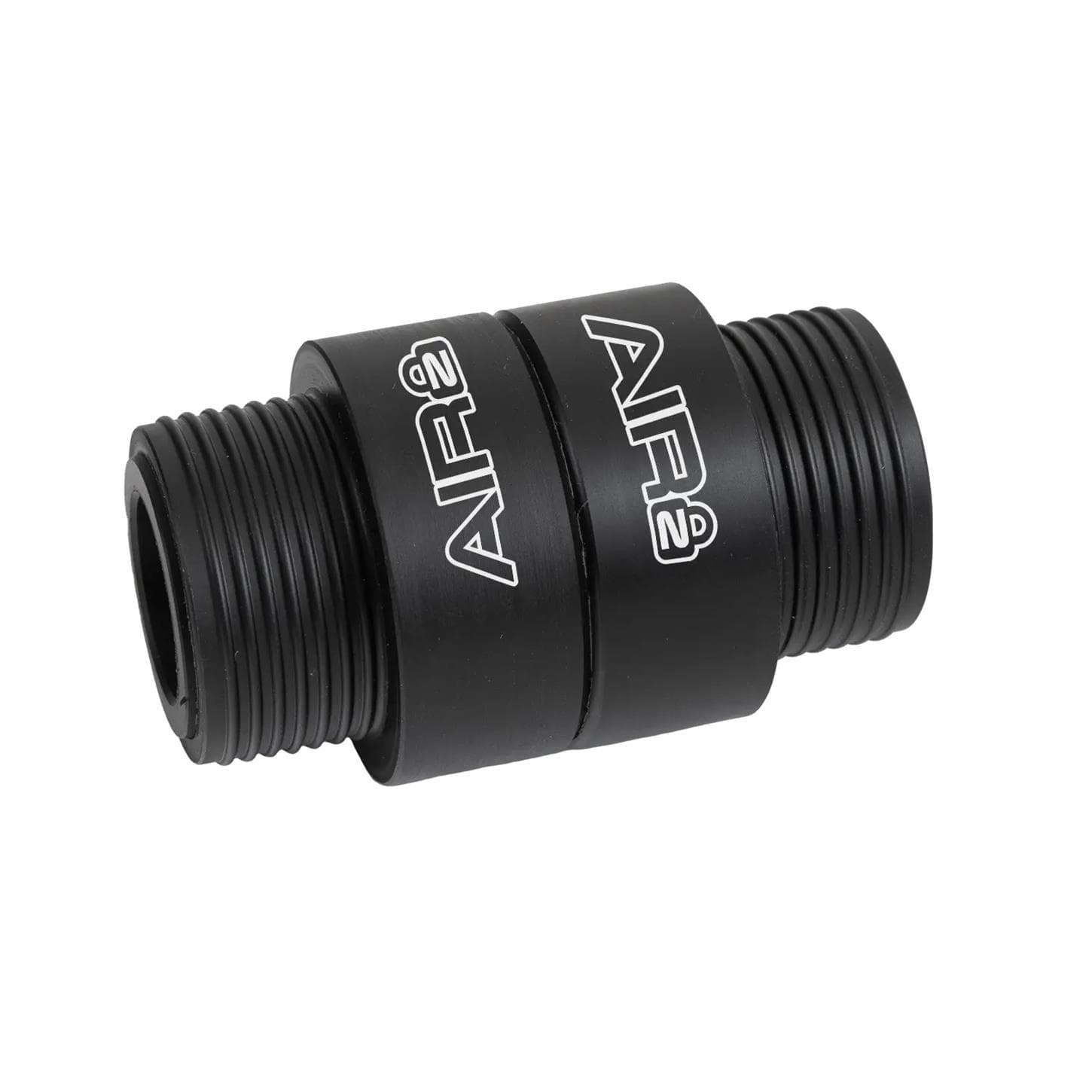

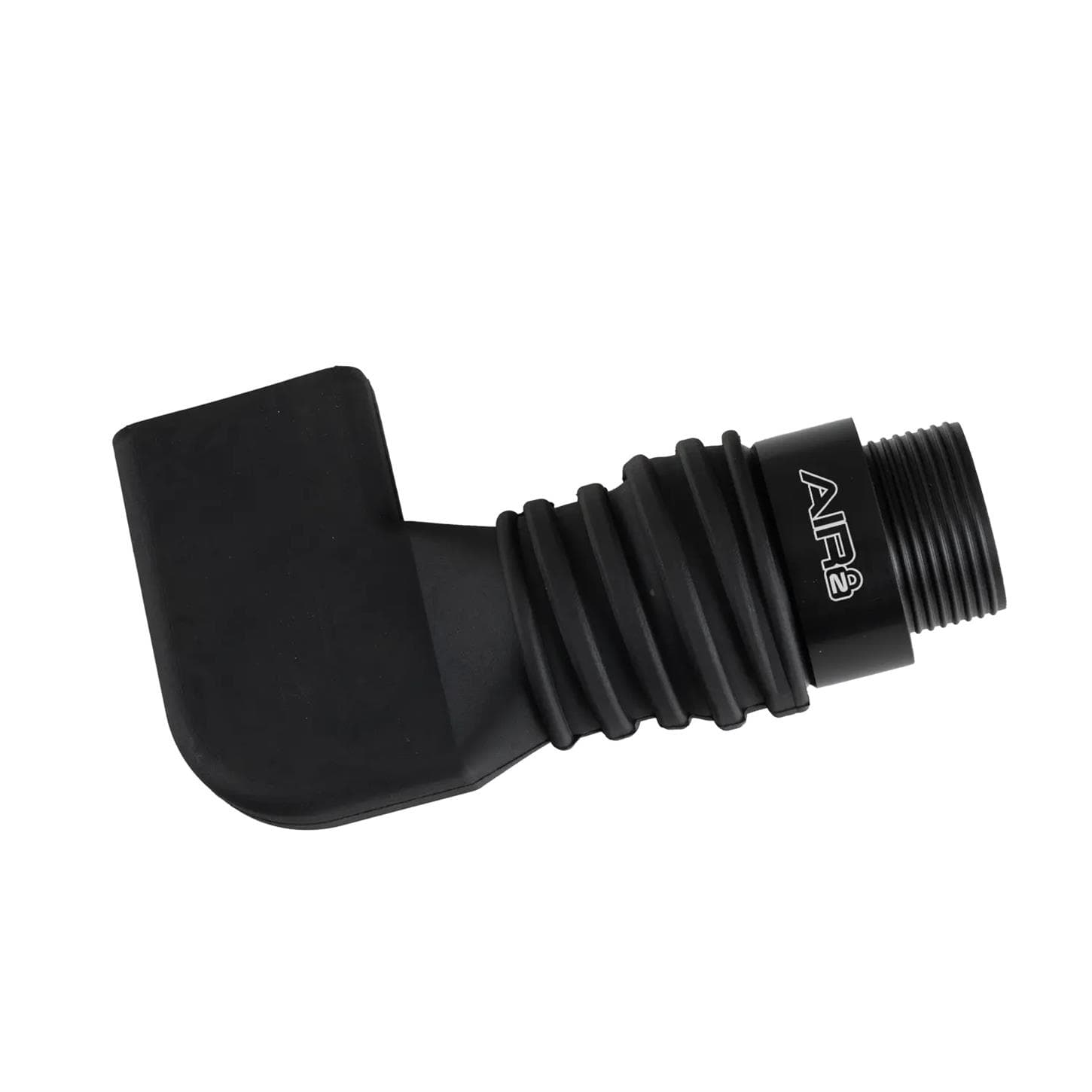
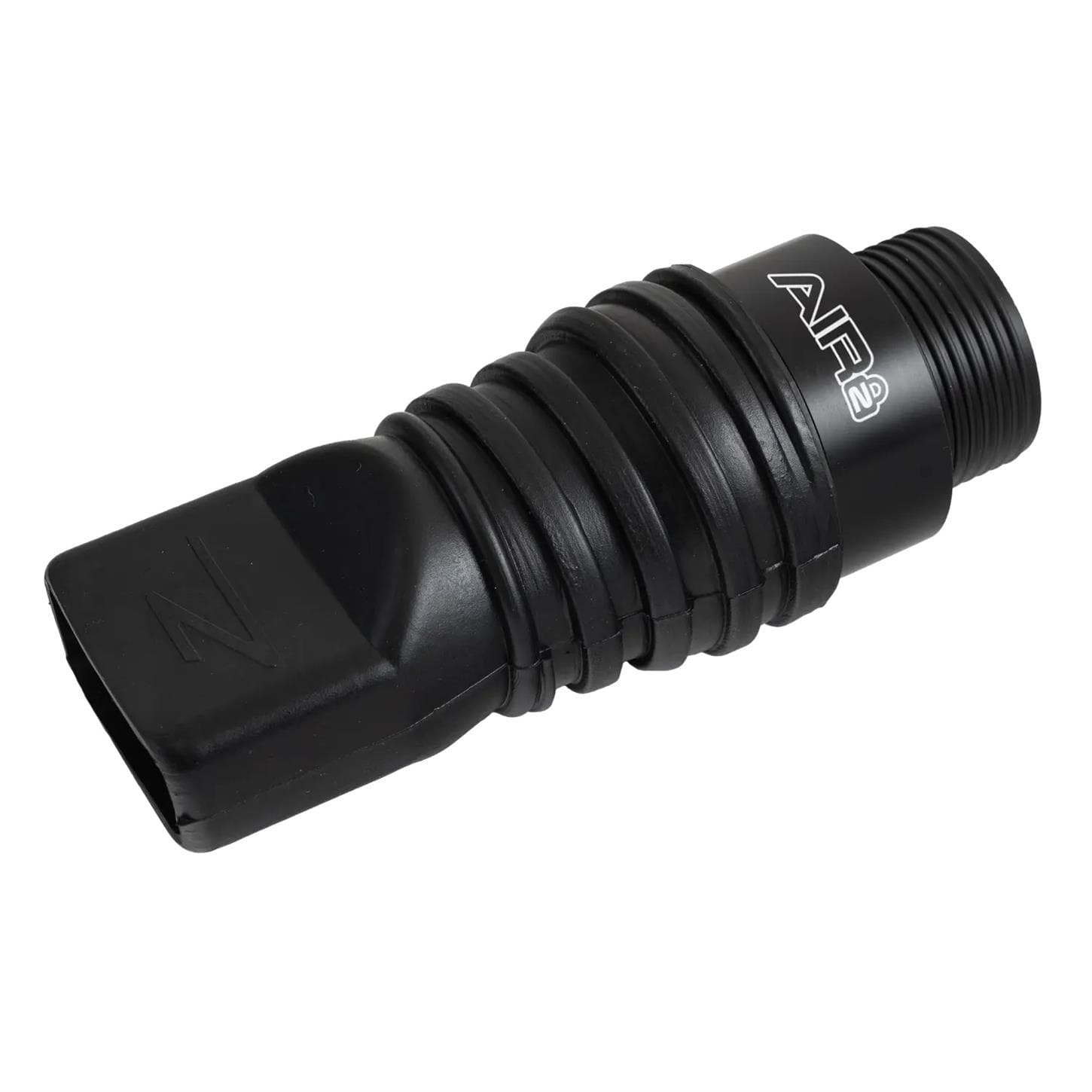
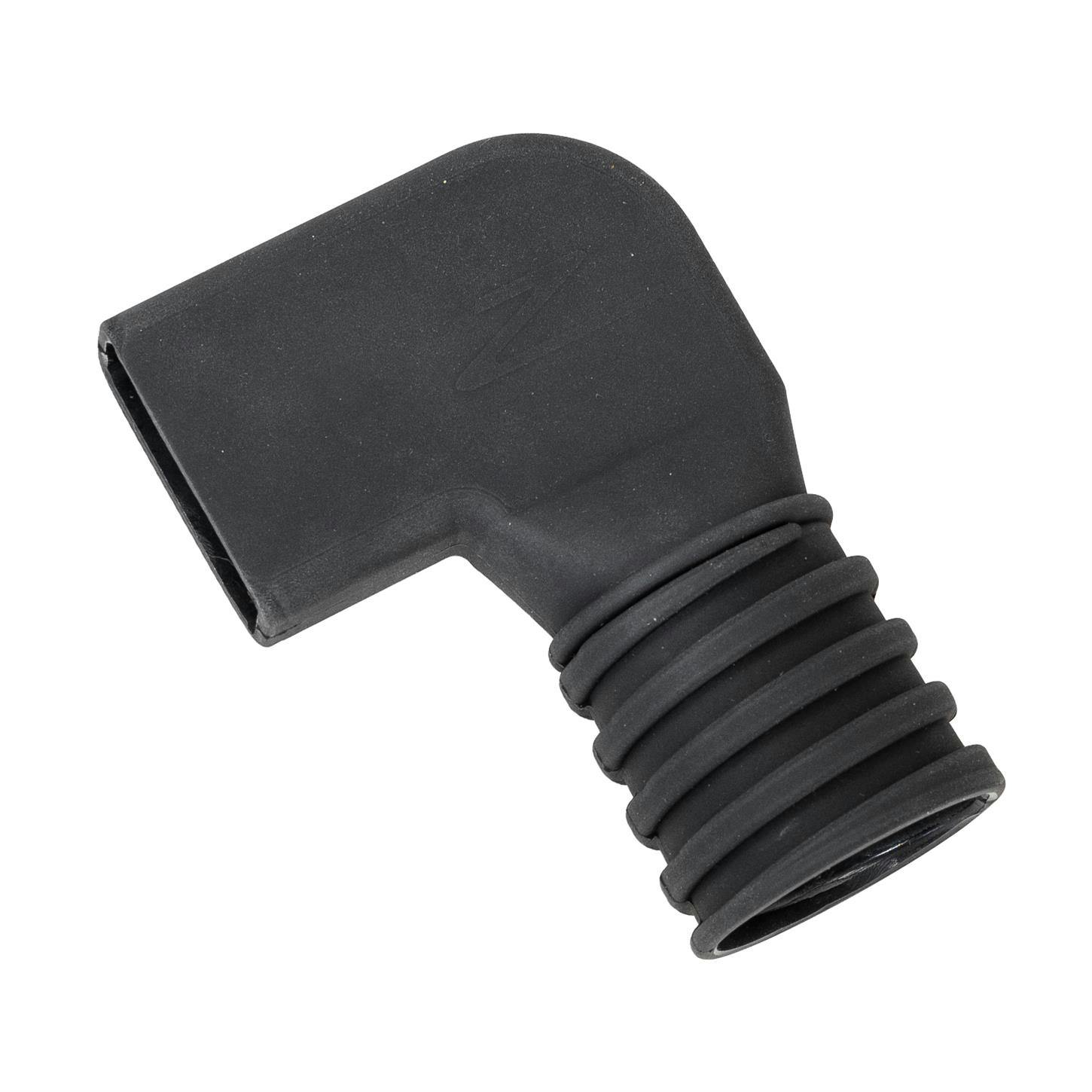




Showing 1 - 36 of 41 results
Shop Feedback:
Did you find what you are looking for?
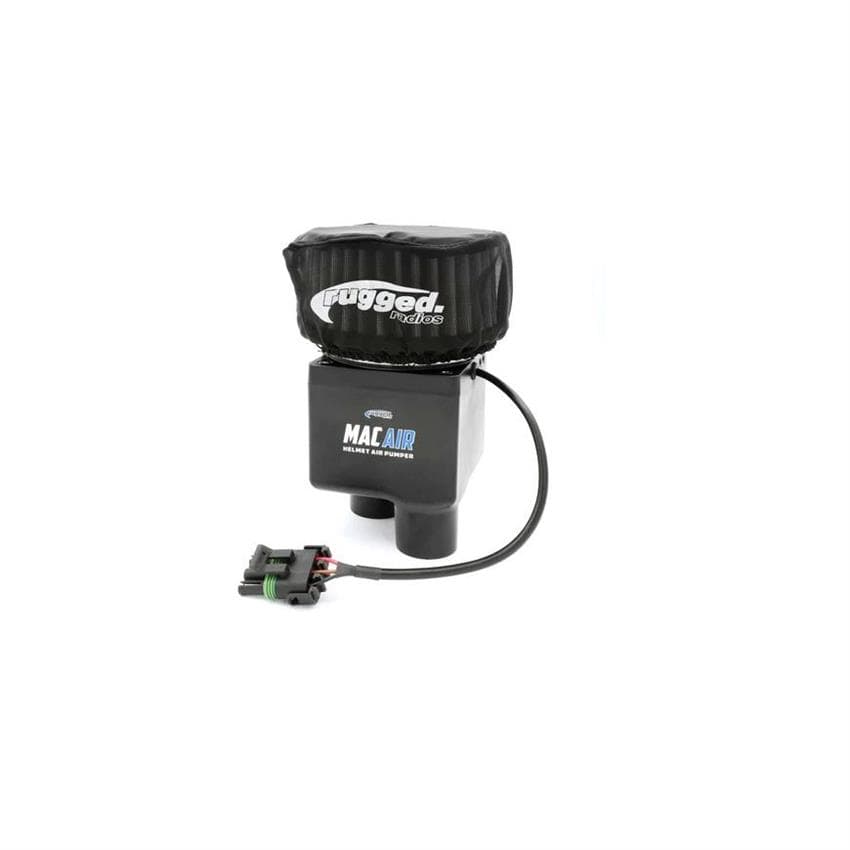
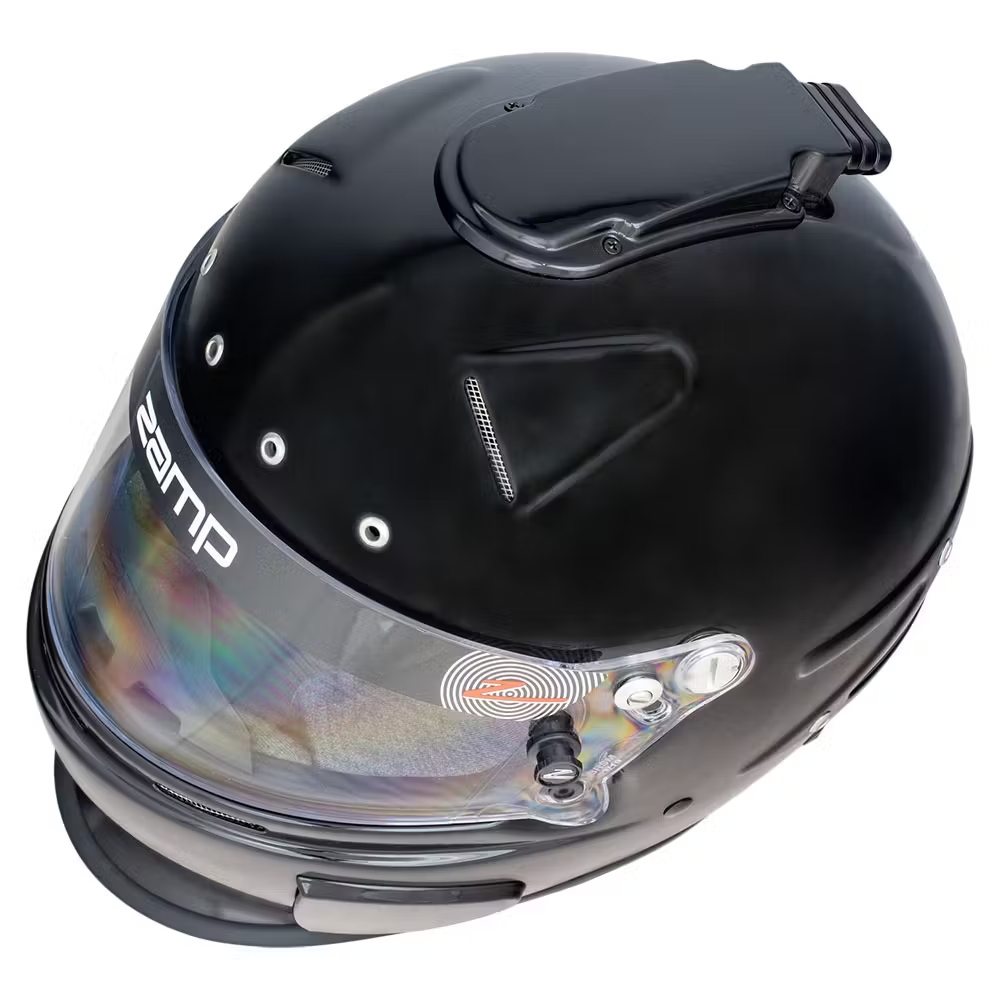
Forced air racing helmets are essential for competitive racing, providing ventilation and cooling to drivers in hot and dirty environments. Fresh air helmet systems feature air pumps that actively circulate fresh air into the helmet, helping to regulate temperature, reduce fogging and ensure optimal breathing conditions for the driver. One of the key distinctions among forced air racing helmets is the design of their fresh air systems, with two primary configurations being top air and side air systems.
Top Air Helmet Systems
Top air systems are characterized by air intake ports located on the top of the helmet. These ports typically feature aerodynamically optimized designs to minimize drag while effectively channeling air into the helmet. The airflow is directed downwards, creating a cooling effect over the driver's head and face shield. Top air systems are favored by some drivers for their ability to provide a consistent flow of air directly onto the driver's head, helping to maintain comfort and concentration during long races. However, some drivers may find that top air systems are more susceptible to buffeting effects at high speeds, which could potentially disrupt airflow and compromise performance. Also, top air helmets typically require more vertical space in the cockpit.
Side Air Helmet Systems
In contrast, side air systems feature intake ports located on the sides of the helmet, often near the jawline or cheek area. These ports are strategically positioned to direct airflow towards the driver's face, providing a cooling effect while also helping to reduce fogging on the visor. Side air systems are praised for their ability to deliver a steady stream of fresh air without the risk of interference from turbulent airflow at high speeds. Additionally, some drivers find side air systems to be more comfortable, as they may experience less wind noise and helmet lift compared to top air systems. However, side air systems may require careful positioning to ensure optimal airflow, and drivers must be mindful of potential obstructions that could restrict intake or cause discomfort during use.
In summary, both top air and side air forced air racing helmets offer effective ventilation and cooling solutions for drivers in competitive racing environments. The choice between these systems often comes down to personal preference and packaging, with drivers weighing factors such as airflow consistency, comfort, and aerodynamic performance to determine which fresh air helmet system best suits their needs on the track.