Find Parts That Fit Your Vehicle
Products
Related Articles

Showing all 10 results
Shop Feedback:
Did you find what you are looking for?
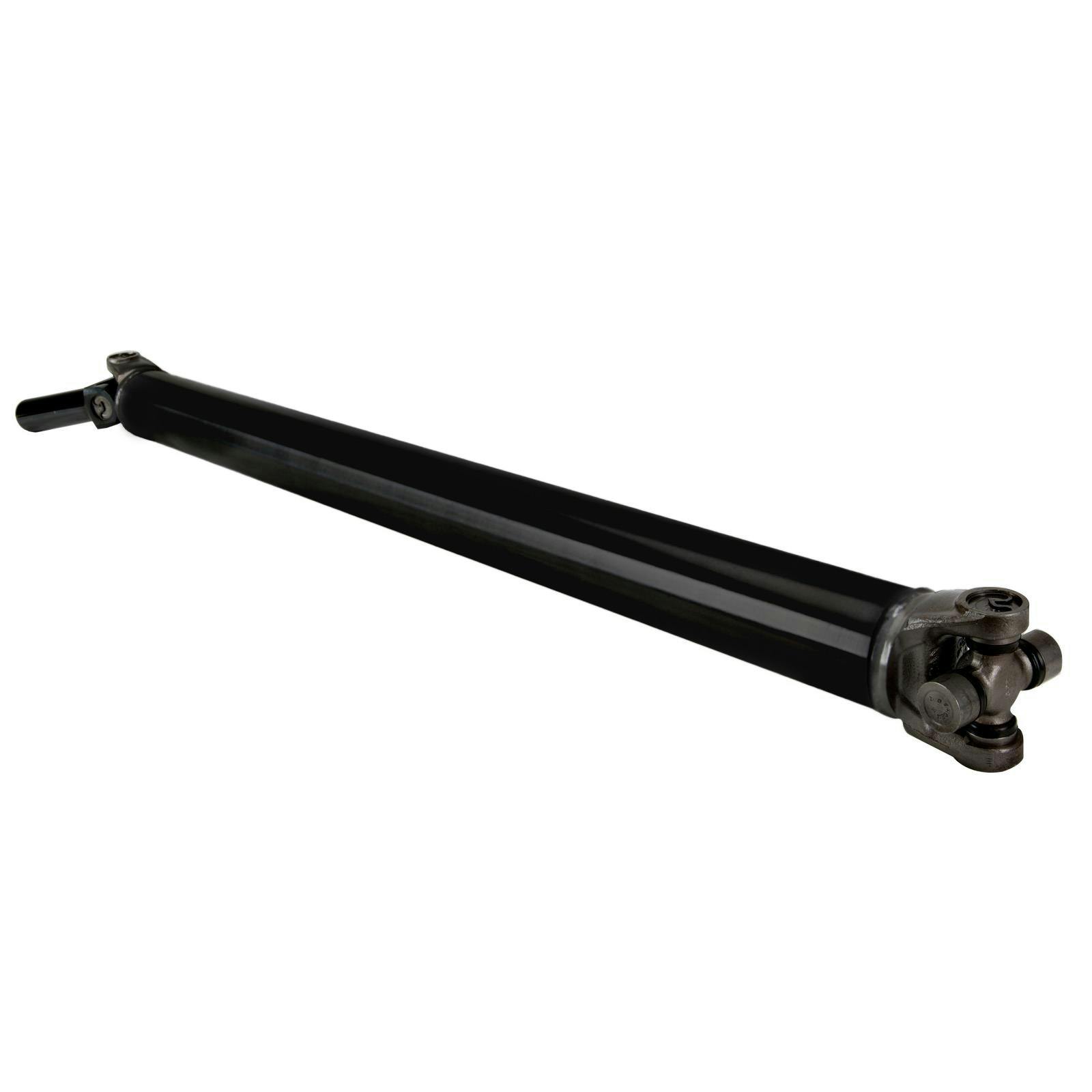
Obtaining a custom driveshaft for your project car can be quite the ordeal. The stranger the combination the harder it is to source locally, and that is if you even have a driveshaft shop local to you. Getting your hand on said custom driveshaft may prove to be harder than it needs to be. Say you need a specific driveshaft length with different U-joint sizes. In most cases, stock driveshafts with a certain length can be difficult to source and of questionable history. If you do manage to track one down, chances are that it might not support the horsepower numbers you are planning to put down. Regardless of the reason for needing a custom driveshaft, Speedway Motors’ has what you need to keep your project moving. From 2-1/2-inch diameter drive shafts that can handle up to 400 hp, to 3-inch Chromoly steel driveshafts that that can work on applications upwards of 1,200 hp we can keep your project moving forward. Knowing how to measure for a new driveshaft and choosing the appropriate materials will all play an important part in determining the drive shaft that is best suited for your application while keeping your custom driveshaft cost in line.
How Do You Measure for a Driveshaft?
Getting a new driveshaft may be a daunting task. Not because of the price, but because measuring for a custom driveshaft can be a confusing process for some. Luckily, we are here to show you that obtaining the correct measurements to order a custom driveshaft is easier than you may think.
Not all drive shafts are made equal. It is important to note that there are four main ways how to measure driveshaft lengths, depending on the application. Speedway Motors only offers traditional design driveshafts for rear ends that use a pinion yoke versus the more modern companion flange. As such, we only need to concern ourselves with one simple style of measuring, and that is the “End Yoke to Flange” measurement style.
With this measurement you will measure from the center of the differential pinion yoke’s U-joint to the transmission tail housing seal surface, or flange. The vehicle must be at ride height with the suspension loaded. A drive on lift is a good way to do this or ensure your jack stands are supporting the axle and front suspension to simulate ride height.
What are Driveshafts Made From?
The common replacement driveshaft has been traditionally made from steel, but there are lightweight alternatives such as aluminum, as well as unconventional ones like carbon fiber. Speedway Motors’ custom driveshaft offerings are steel for strength and to keep your project budget in check. Most people do not need an aluminum driveshaft or carbon fiber driveshaft for their street rod or muscle car, so why waste your money.
Keep in mind that not all steels are made the same. We understand that most customers will be under the 400-horsepower range. Therefore, our 2-1/2-inch diameter universal drive shaft can handle builds with a maximum of 400hp. If you are going above that power threshold, we suggest going with a 3-inch unit, as it can handle upwards of 600 hp. If you really like living on the edge, our Chromoly steel driveshafts can handle engines up to 1,200 horses!
What Kind of Driveshaft Should I Use?
You need the right tool for the job, right? It is the same to have the right driveshaft for your application as well. There are a few things to take into consideration when trying to work out what the best drive shaft is for your project. In our opinion, an aftermarket driveshaft could be utilized in almost any situation due to the many benefits a custom driveshaft kit can offer. These include, but are not limited to, increased horsepower capabilities and reduced weight.
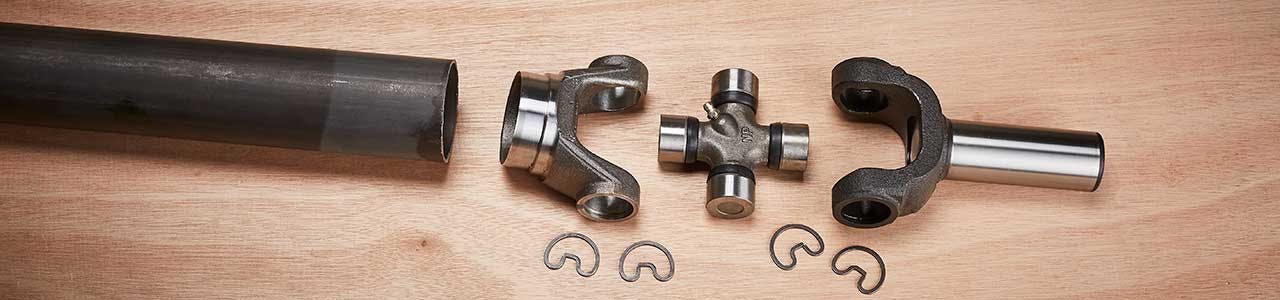
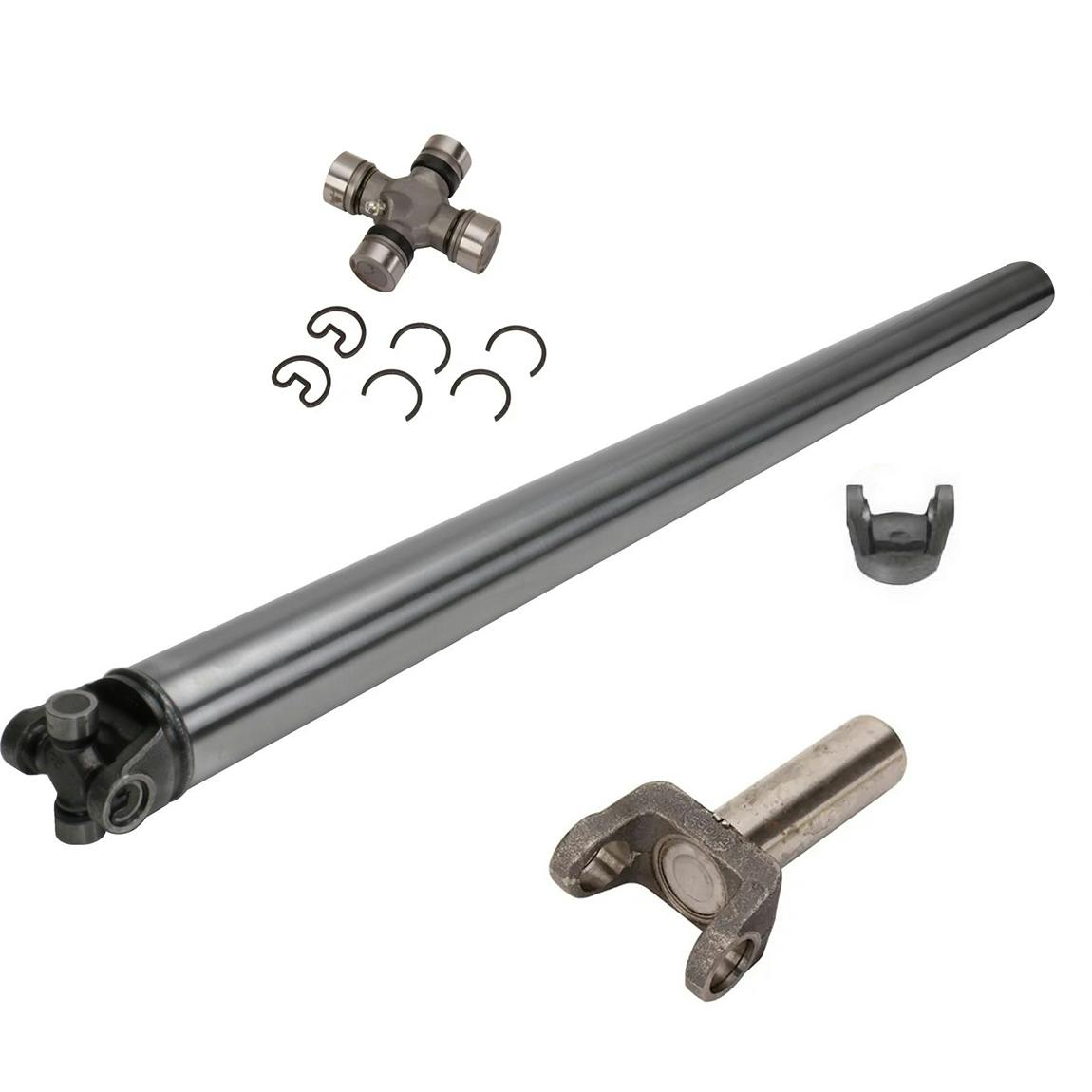
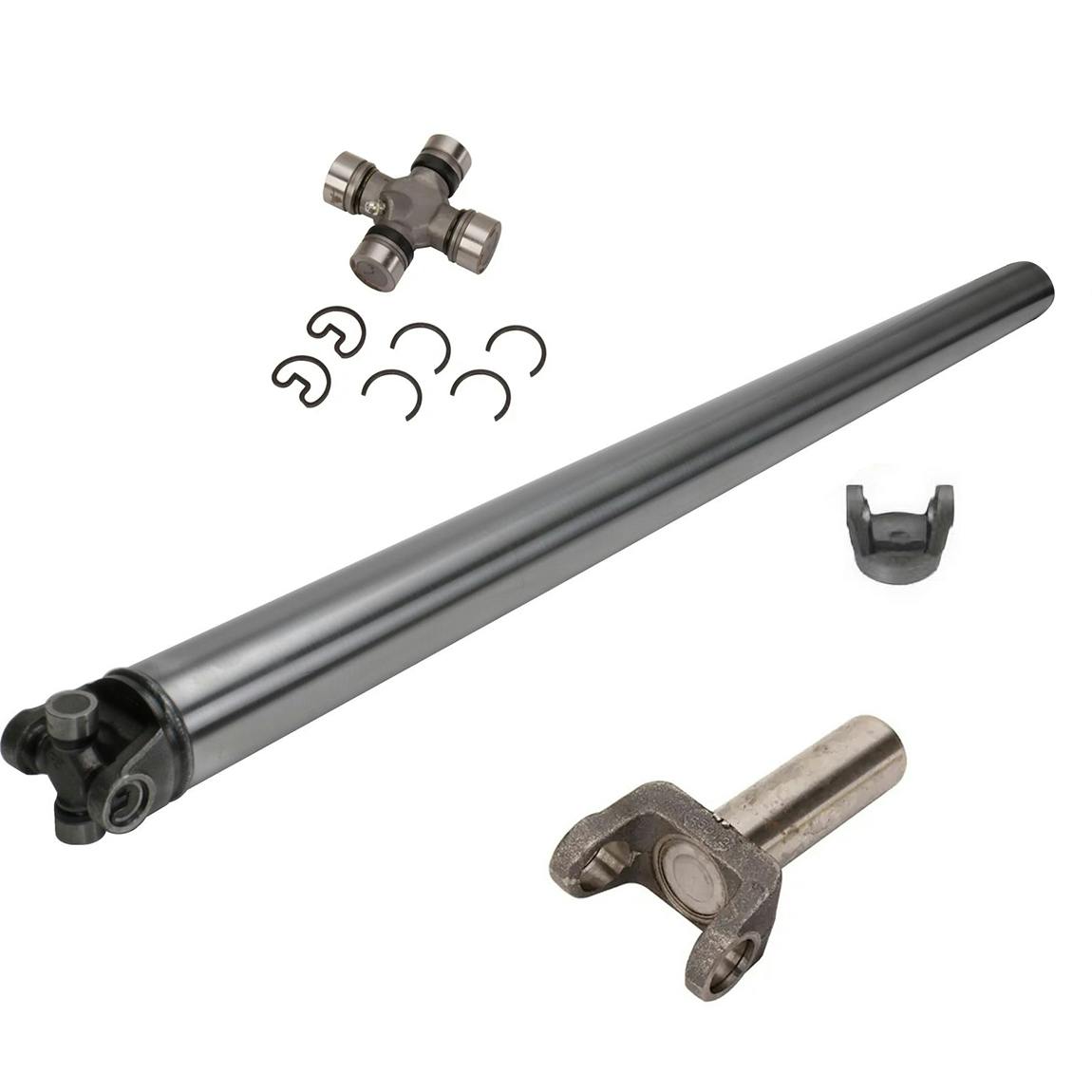
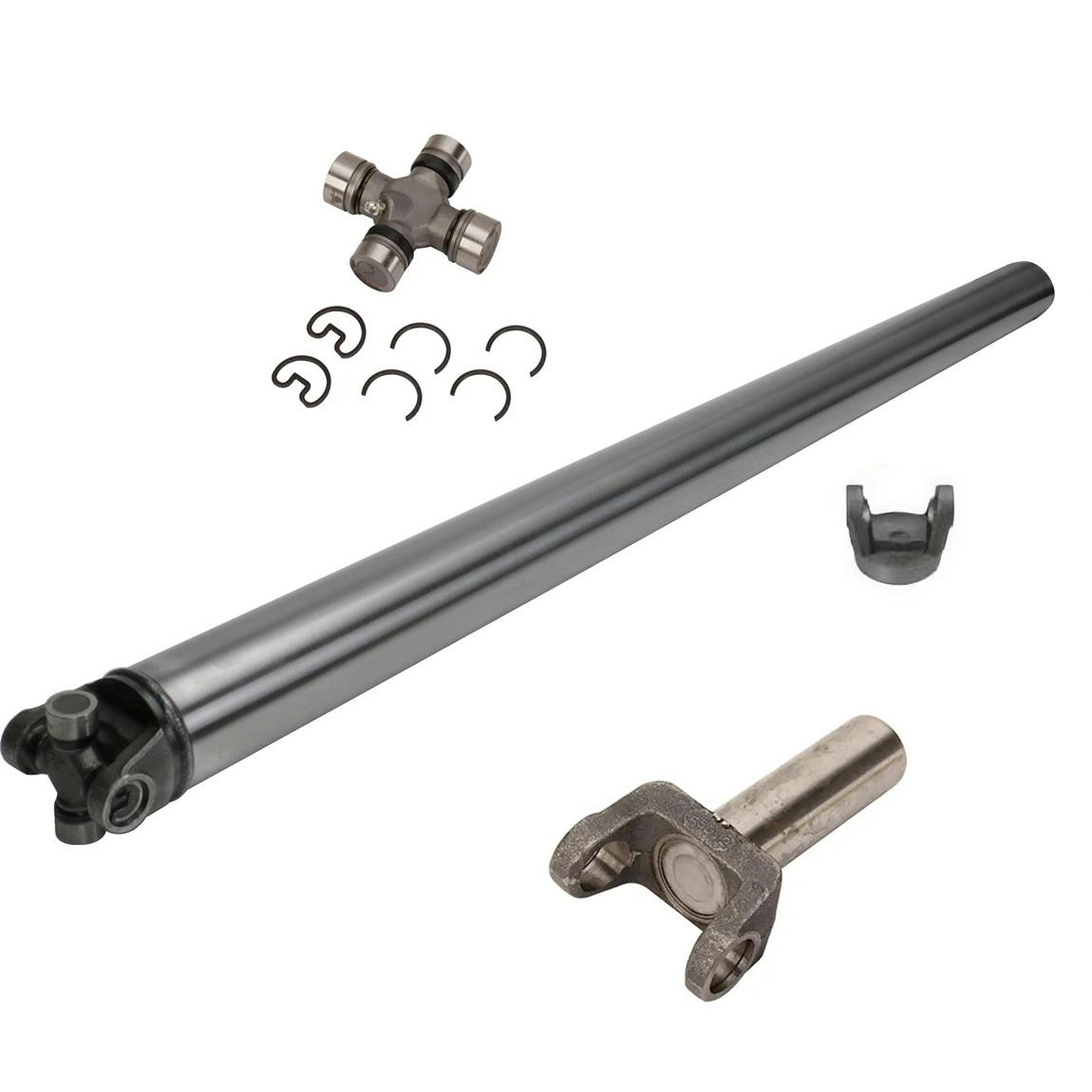
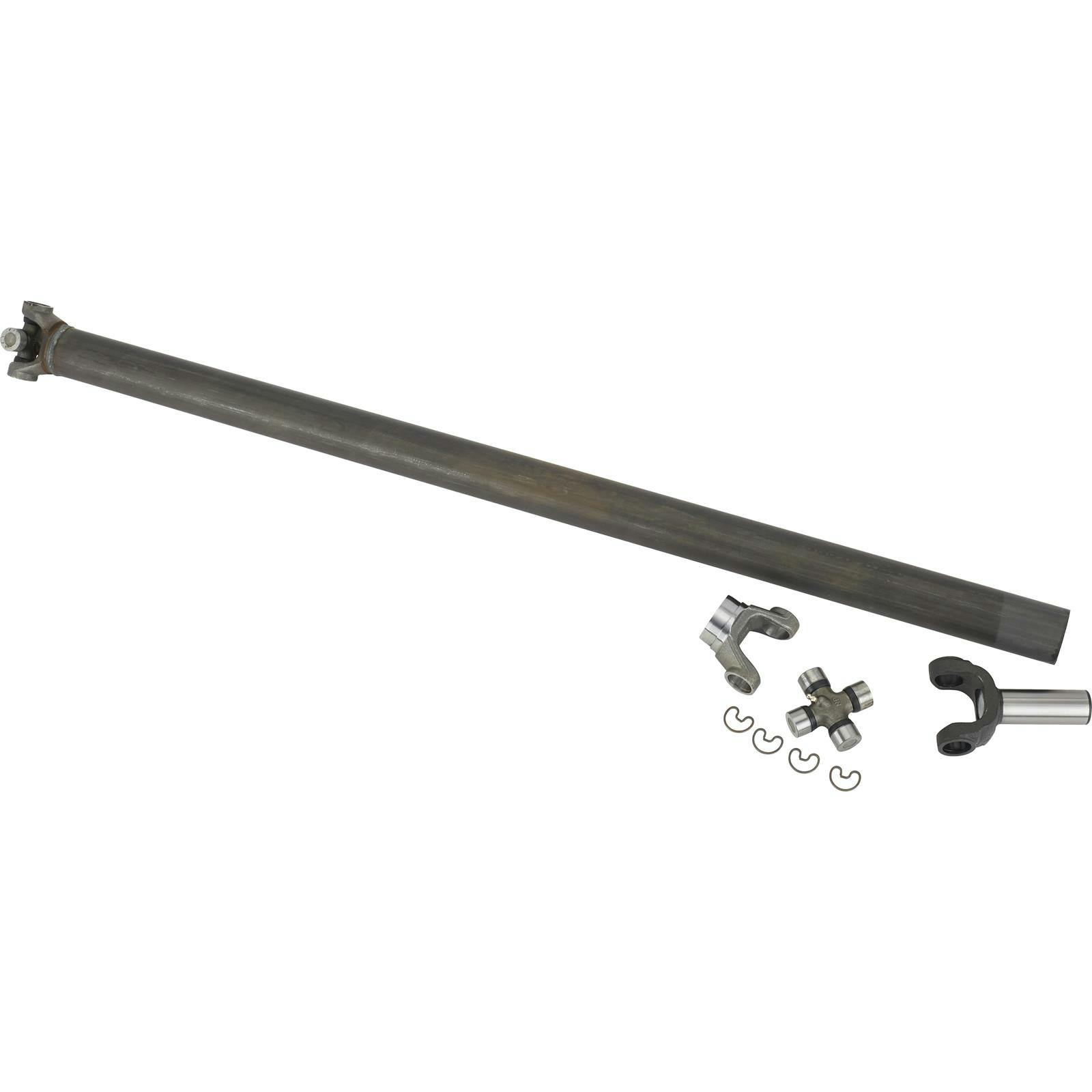
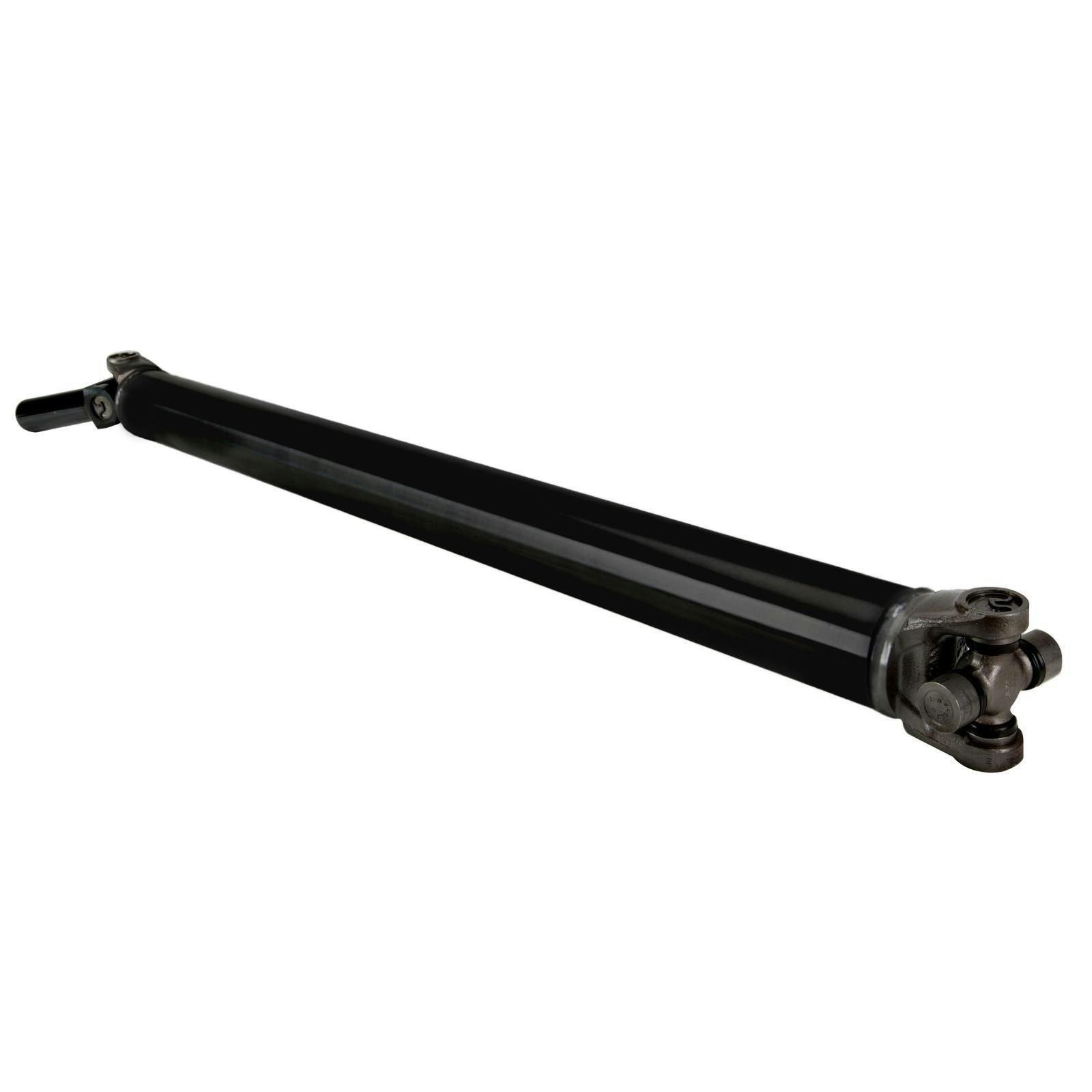
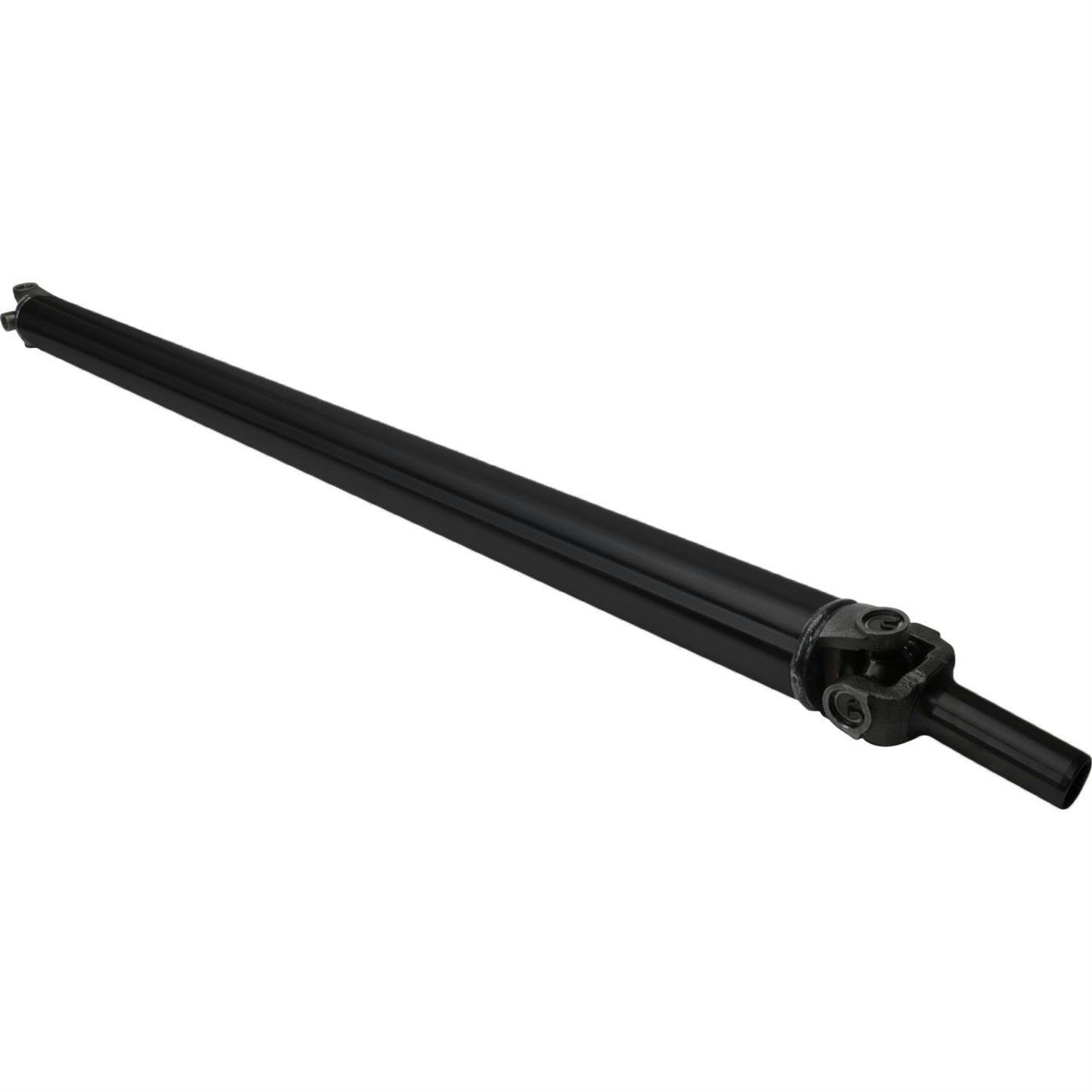
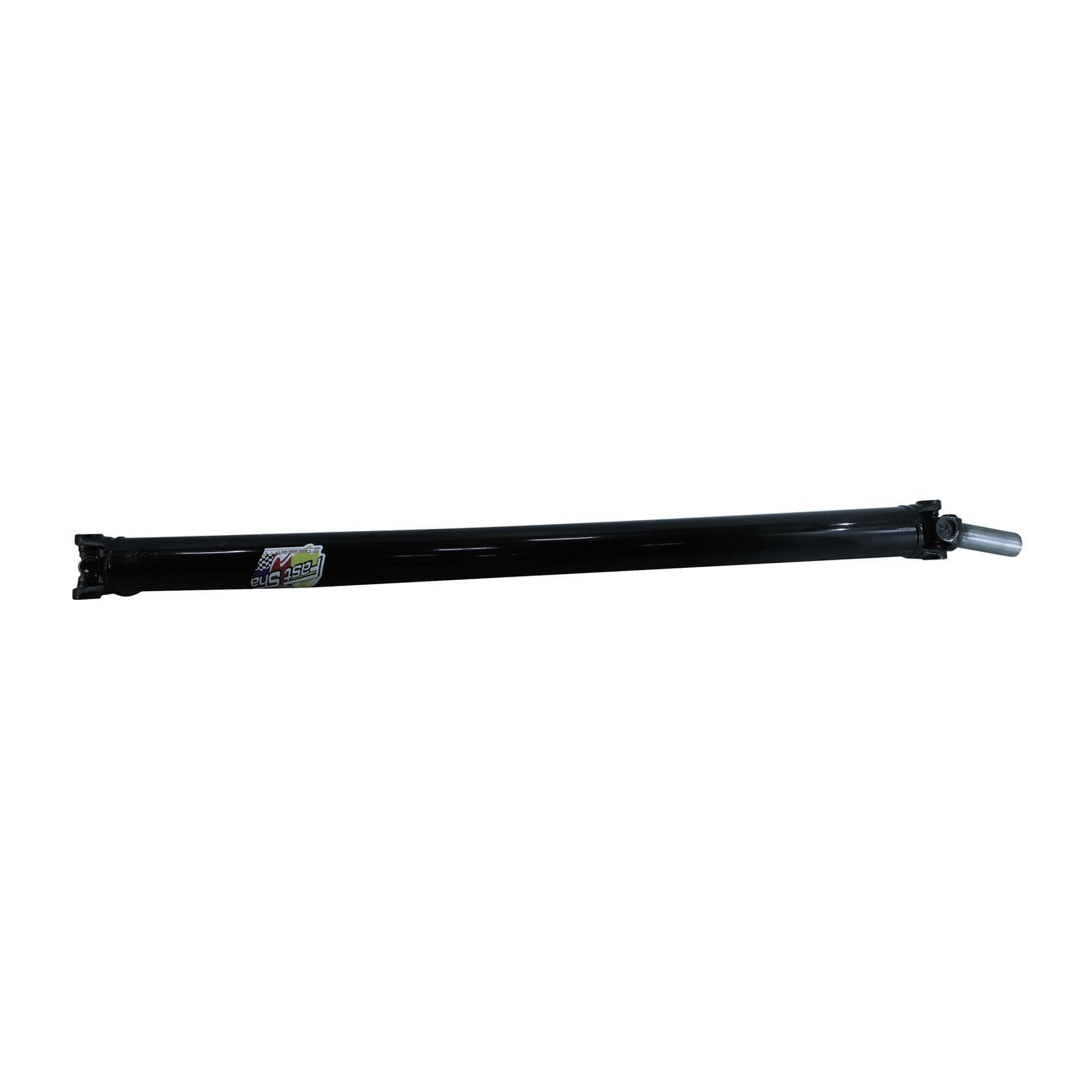
Our custom length drive shaft kits allow you to choose the correct transmission yoke, U-joints, and horsepower level capability with just a few clicks. Add your measurement to the order and you will have an exact fit custom drive shaft on your doorstep for your project without ever having to deal with loading your project car onto a trailer and having to deal with a driveline shop. Our 2-1/2-inch, 3-inch, and 3-1/2-inch custom driveshafts are available in all common U-joint sizes (and you can mix and match joint sizes too), and all popular transmission slip yoke applications. So even if it is a Ford transmission with a GM rear axle, or vice-versa, we have your combination covered.
Does a Driveshaft Need to be Balanced?
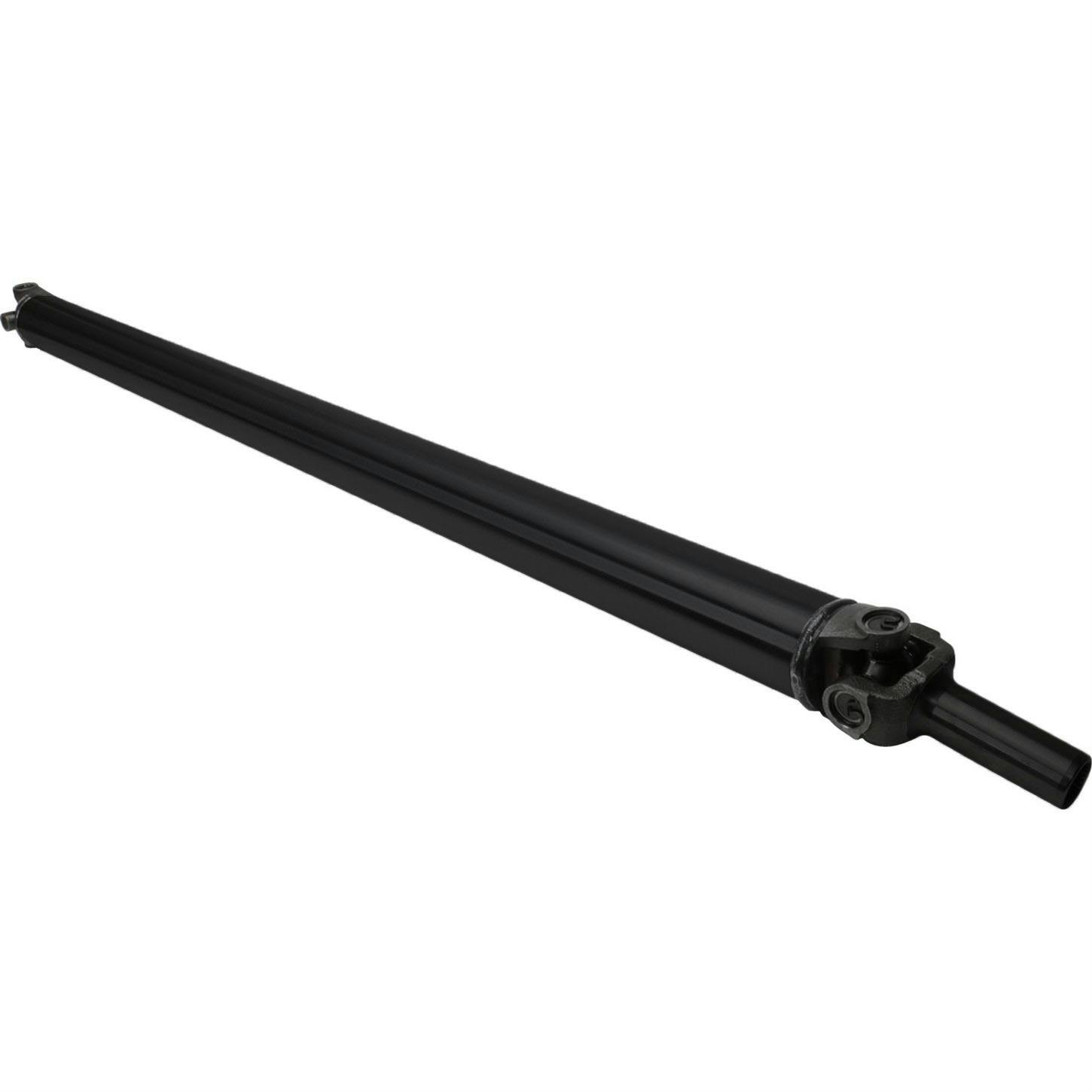
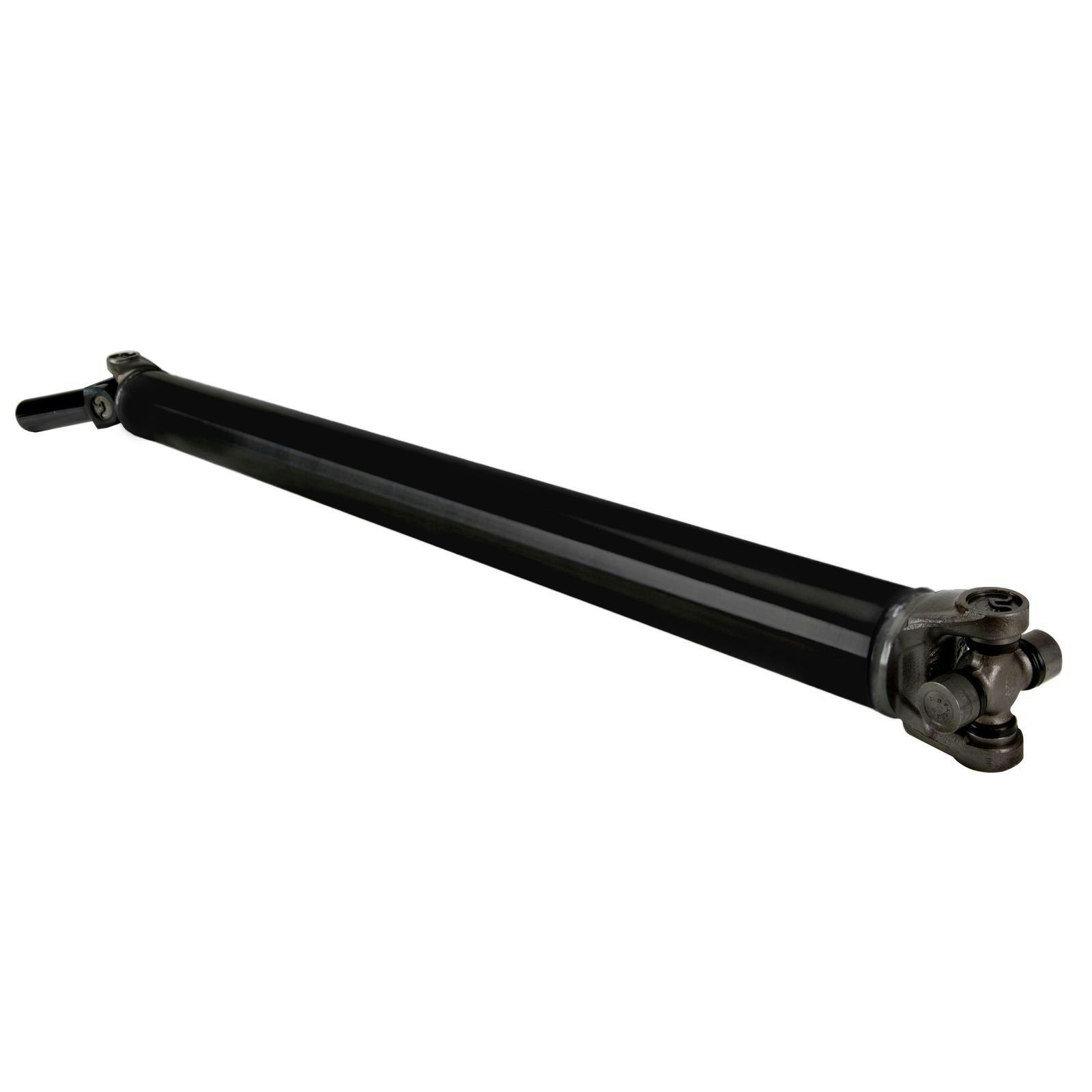
All the universal driveshaft kits we sell will come balanced and ready to install. Just send us your dimensions and that is it! Your new replacement driveshaft will come with everything needed, including U-joints and driveshaft yoke, pre-installed and fully balanced ready for you to install and keep your project moving forward.
Our custom “U-weld-it” kits do require a trip down to your local driveshaft shop once the driveshaft is fully welded. Driveshaft balancing requires specialized equipment and is something that cannot be accomplished in the typical home garage. Much like your tires need the help of a modern high-speed tire balancing machine if you want the smoothest ride.
Chances are that you will probably want to increase the power at some point, so think ahead. Your custom driveshaft should be able to handle your future power needs. There is no point in buying something that will not be able to handle future upgrades, requiring you to buy a second, more capable custom driveshaft down the road. After all, you do not want to be the person with a “Driveshaft for Sale” sign in their front yard.