Find Parts That Fit Your Vehicle
Select Speedometer Gear Type
44
30
9
2
1
1
1
Category
Gauges and Instrumentation
Subcategory
Gauge Wiring and Cables
Products


Related Articles















Showing 1 - 36 of 44 results
Shop Feedback:
Did you find what you are looking for?
A speedometer gear must be changed whenever there is a modification to the final drive ratio (ring and pinion) or a change in tire diameter. This is because the speedometer relies on a mechanical drive to measure the rotation of the vehicle's drivetrain components, usually a transmission output shaft. The speedometer then translates this rotation into a speed reading on the dashboard.
When you modify the final drive ratio or change the tire diameter, you're essentially altering the relationship between the engine's rotational speed and the actual movement of the vehicle. Here's why a speedometer gear change is necessary in these situations:
- Final Drive Ratio Change: The final drive ratio, determined by the ring and pinion gear set in the vehicle's differential, affects how many times the wheels rotate for each rotation of the engine. If you change to a different final drive ratio (switching to a higher numerical ratio for quicker acceleration or a lower ratio for better fuel efficiency), the number of wheel rotations per engine rotation changes. If the speedometer gear isn't adjusted accordingly, the speedometer will display an inaccurate reading. The speedometer gear ensures that the speedometer reading matches the actual speed of the vehicle based on the new final drive ratio.
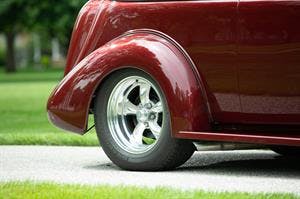
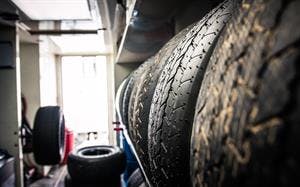
- Tire Diameter Change: When you change the diameter of your vehicle's tires, you're effectively changing the distance a single rotation of the wheel covers. Larger tires cover more ground per rotation, while smaller tires cover less. This alteration in distance covered per wheel rotation directly affects the accuracy of the speedometer reading. If you don't adjust the speedometer gear to account for the new tire diameter, your speedometer will again display an incorrect speed.
In both cases, if you don't change the speedometer gear, the reading on the speedometer will be either higher or lower than your actual speed, depending on whether you've increased or decreased the final drive ratio or tire diameter. To address this discrepancy, you need to recalibrate the speedometer system. Modern vehicles with electronic speedometers can be reprogrammed to accommodate these changes using software adjustments. Older vehicles with mechanical speedometers will need a speedometer gear with a revised ratio to accommodate the changes to the vehicle.
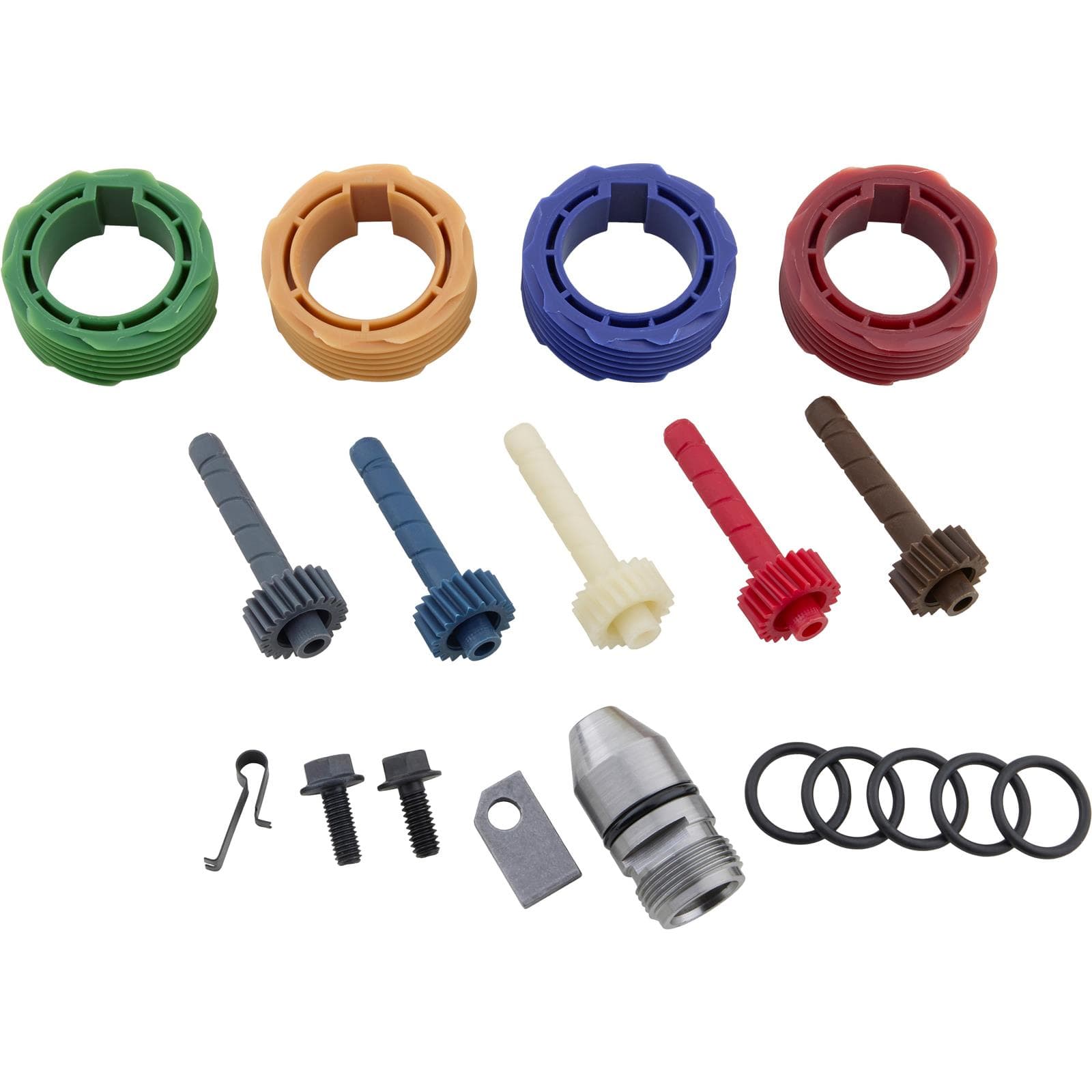
Most often when changing tire size or ring & pinion, the majority of people will update the driven gear, mainly because it is easy to access on the end of the cable. However, in some extreme cases the drive gear needs to be updated as well (this is where the calculators will help).
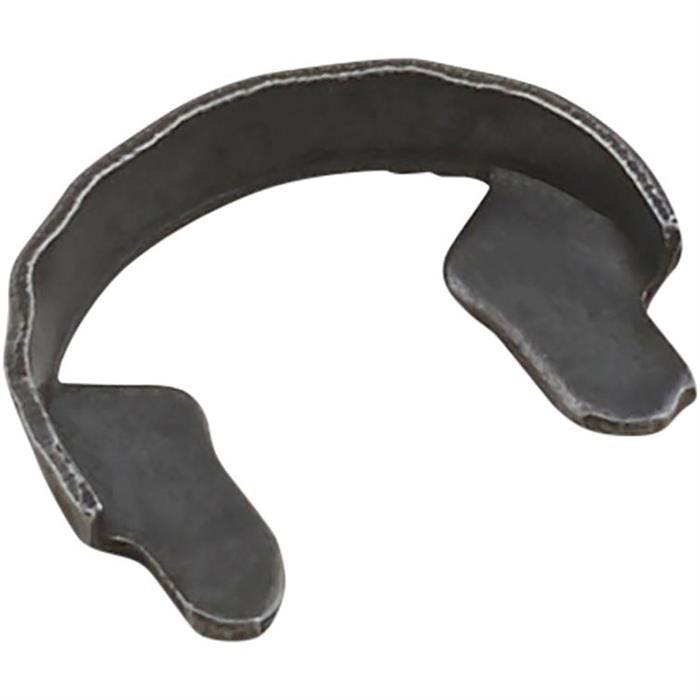
- Speedometer Drive Gear - a ring-shaped sleeve that slips over the transmission output shaft (housed inside the transmission tailshaft)
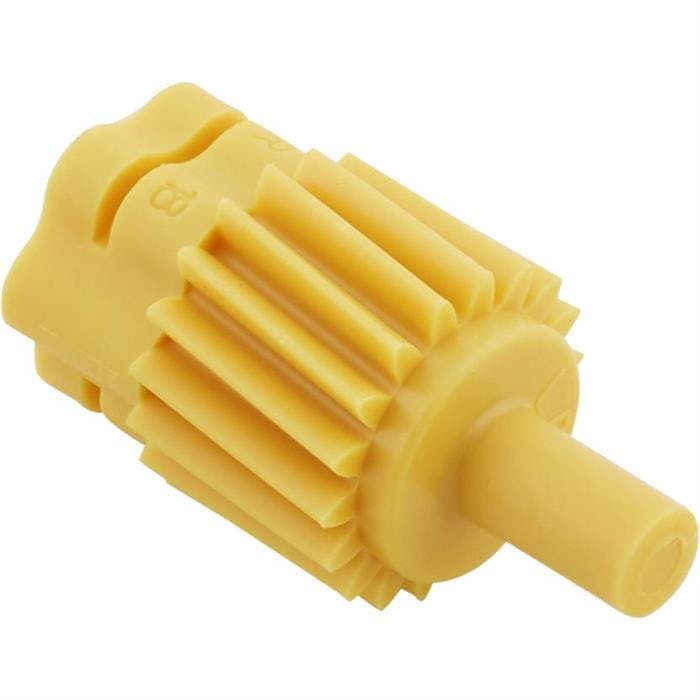
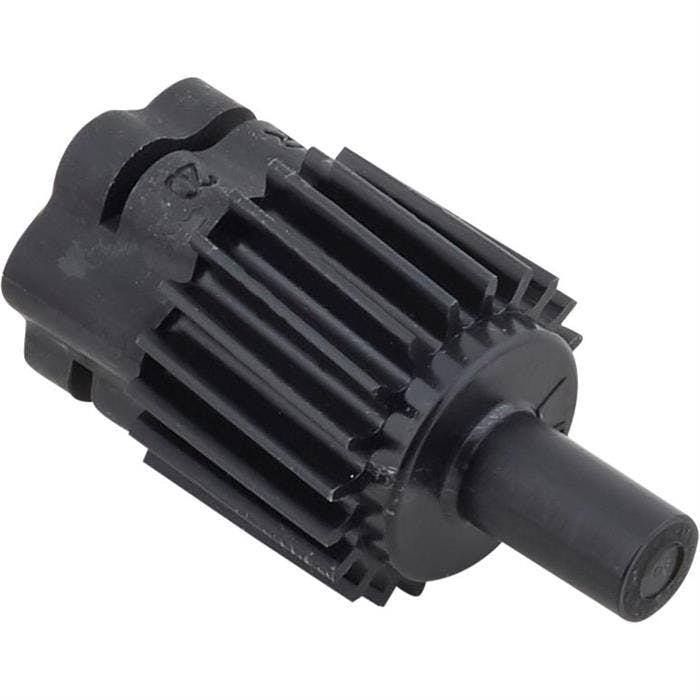
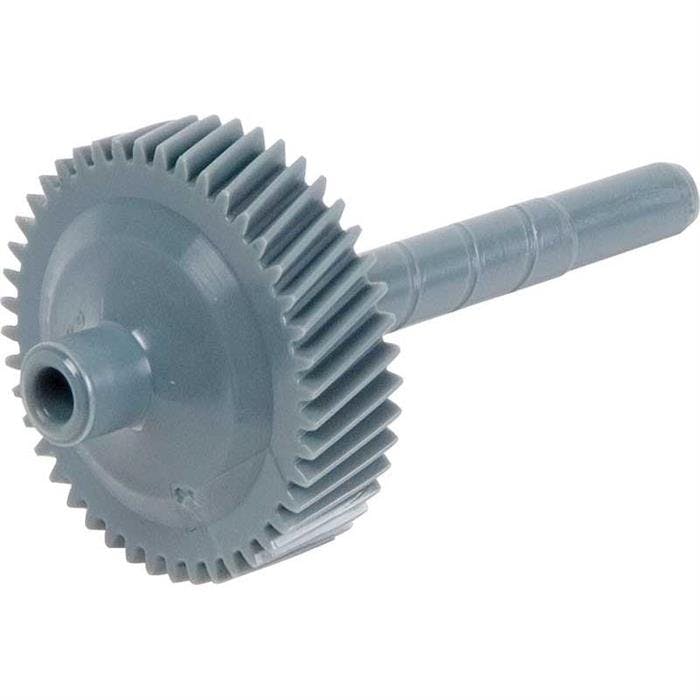
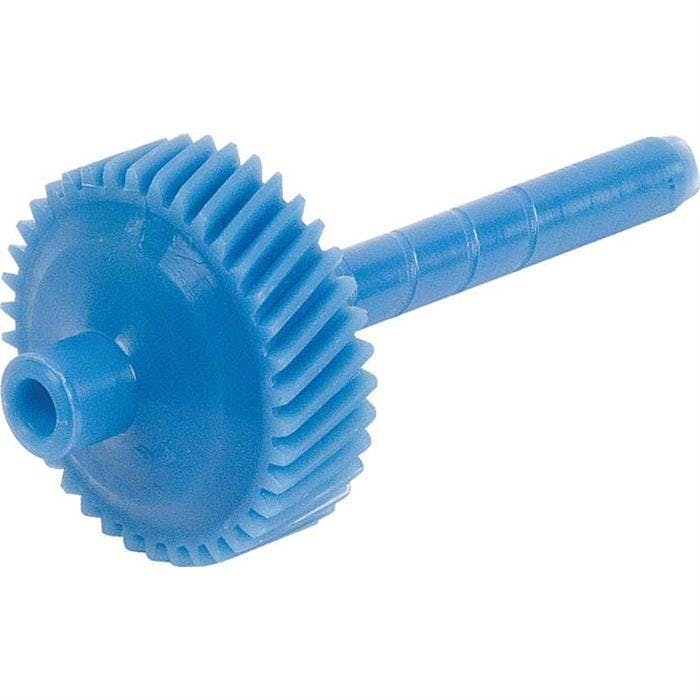
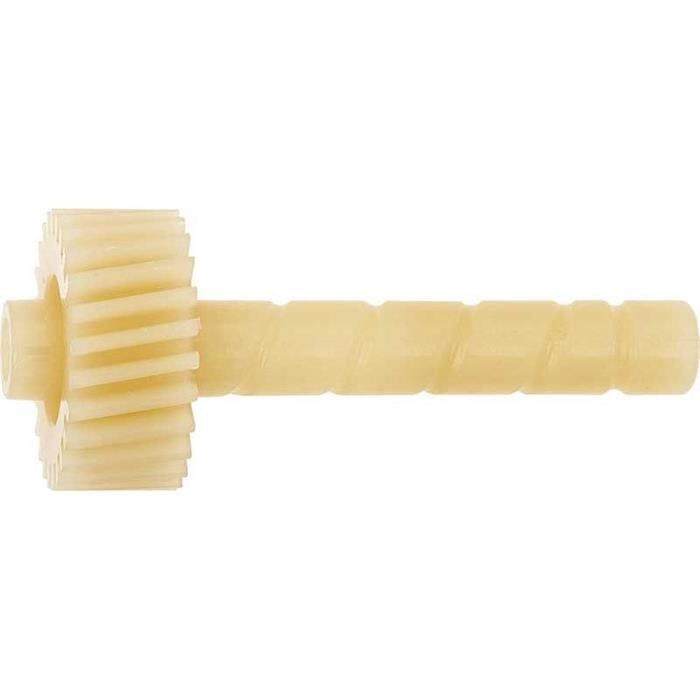
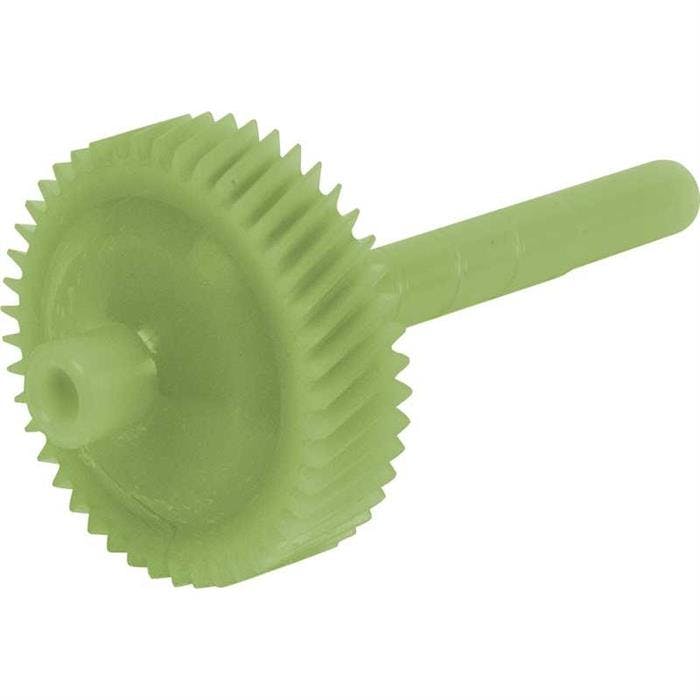
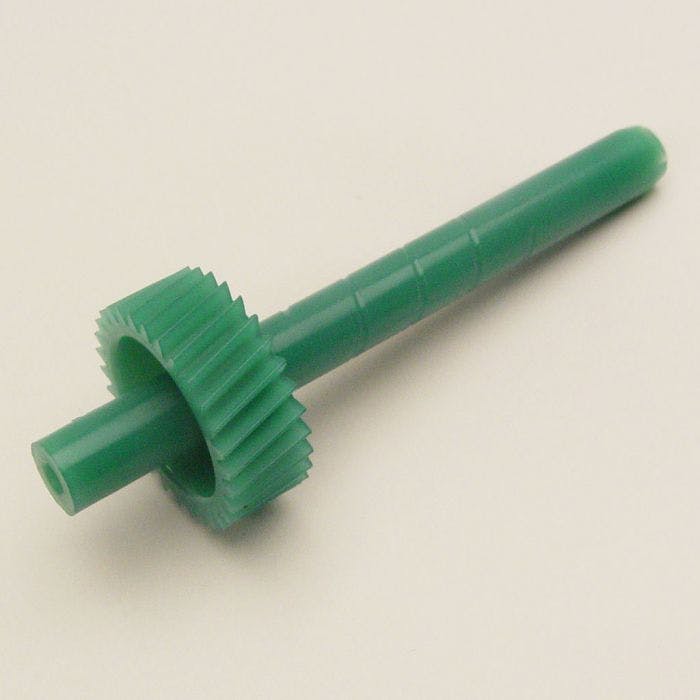
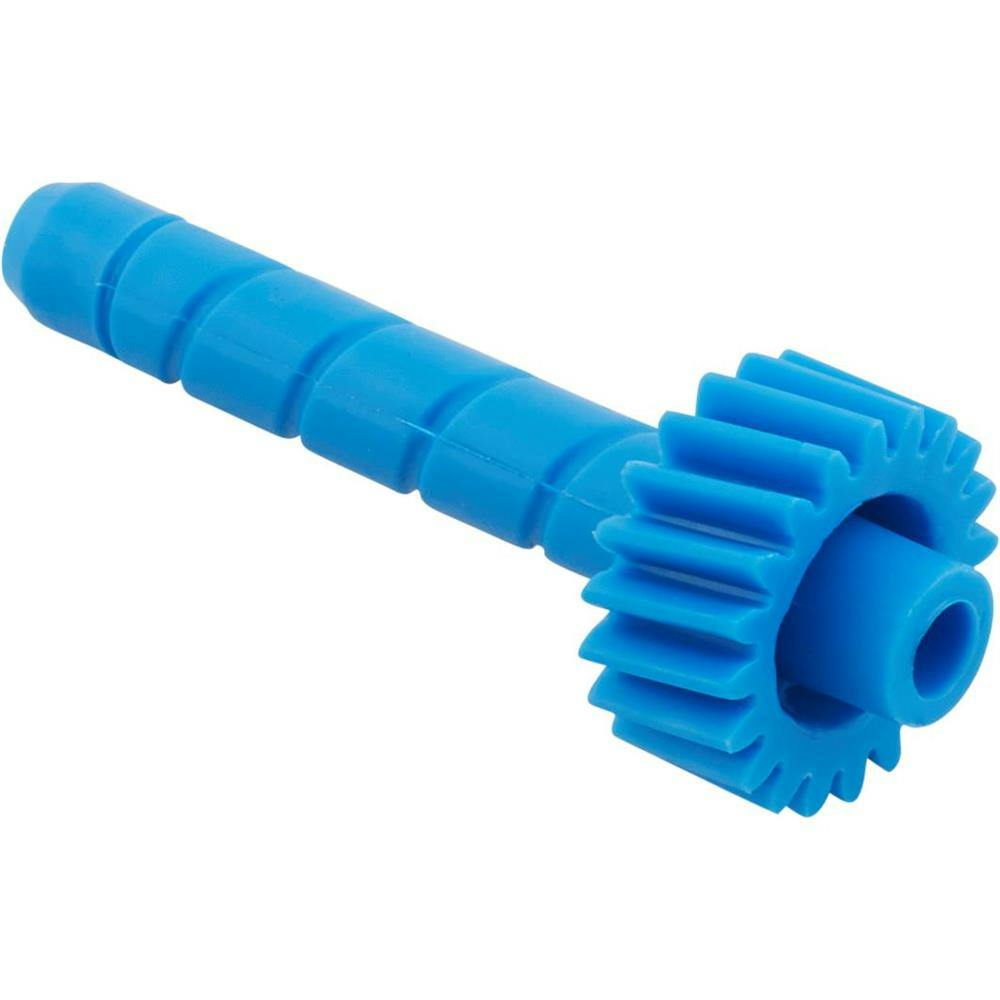
- Speedometer Driven Gear - a gear with shoulders that connects to the speedometer cable (rides inside the speedometer gear housing)
Ultimately, ensuring an accurate speedometer reading is not just about obeying traffic laws, but also about maintaining proper vehicle performance and safety. An inaccurate speedometer can affect fuel efficiency calculations, odometer accuracy, and overall driving experience.